


Here's a polished news-style feature based on the announcement and broader context surrounding Formula 1's continued expansion in the United States.
Formula 1 Commits to Las Vegas Through 2037 as Race Secures Long-Term Future on the Strip
Formula 1's relationship with Las Vegas is no longer a short-term gamble.
The sport announced this week that the Las Vegas Grand Prix will remain on the Formula 1 calendar through at least 2037 following a new 10-year extension agreement, cementing the event's place as one of the championship's premier destinations and further strengthening Formula 1's growing footprint in the United States.
The extension brings an end to any speculation about the race's future and signals Formula 1's confidence that Las Vegas has become one of the sport's most important global showcases.
Since returning to the calendar in 2023, the Las Vegas Grand Prix has evolved from an ambitious experiment into one of Formula 1's marquee events. Held under the lights on the iconic Las Vegas Strip, the race has blended high-speed racing with the entertainment spectacle the city is known for, creating a uniquely American interpretation of Formula 1.
And according to Formula 1 leadership, the numbers back up the decision.
Since its debut, the event has generated more than $3.2 billion in cumulative economic impact for Southern Nevada, while each of the first three races sold out. The 2025 event alone produced $43 million in state and local tax revenue, including $15 million directed toward K-12 education programs.
Those figures have helped transform what was initially viewed by some as a risky investment into one of the most commercially successful races on the calendar.
"We are thrilled that Formula 1 will continue racing in Las Vegas for many years to come," said Formula 1 President and CEO Stefano Domenicali.
"Since its debut in 2023, the event has been extraordinary, rapidly establishing itself as a premier destination for great racing, world-class entertainment, global business leaders, A-list celebrities and influencers."
Domenicali added that Formula 1 always believed Las Vegas would become a cornerstone of the sport's presence in the United States, a vision he believes has now been validated through the event's success.
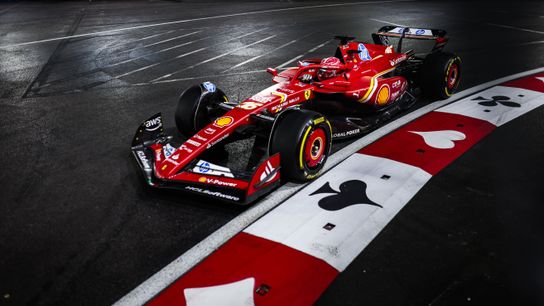
The announcement represents another major milestone in Formula 1's ongoing American expansion.
Just a decade ago, the United States hosted a single Grand Prix at Circuit of The Americas in Austin. Today, Formula 1 stages three races in the country, with Miami and Las Vegas joining the schedule as the sport experiences unprecedented growth across North America.
Much of that growth has been fueled by the success of Netflix's "Drive to Survive," which introduced Formula 1 to a new generation of fans. Since then, television audiences have increased dramatically, attendance figures have surged, and major American corporations have poured investment into the sport.
Las Vegas quickly became the centerpiece of that movement.
Unlike traditional Formula 1 venues built around permanent racing facilities, the Las Vegas Strip Circuit places drivers directly in the heart of one of the world's most recognizable destinations. The 3.8-mile circuit winds past landmarks including Bellagio, Caesars Palace, Wynn Las Vegas, and The Venetian while allowing Formula 1 cars to exceed 200 mph along the Strip.
The setting has created some of the sport's most memorable visuals and helped distinguish the race from every other stop on the calendar.
For Las Vegas officials, the partnership extends beyond motorsport.
The race has become a centerpiece event within the city's broader strategy of establishing itself as a global sports and entertainment capital. Over the past decade, Las Vegas has successfully attracted the NFL's Raiders, the NHL's Golden Knights, Formula 1, major boxing events, the Super Bowl, college championships, and countless other marquee sporting attractions.
The Grand Prix now sits alongside those events as one of the city's signature annual showcases.
"Extending our partnership with Formula 1 for the next decade is a major moment for both Las Vegas and the Grand Prix," said Steve Hill, President and CEO of the Las Vegas Convention and Visitors Authority.
"In just three years, the race has become a signature global event, putting Las Vegas at the center of culture, competition and entertainment during race week."
The race's success has also translated to community initiatives.
The Las Vegas Grand Prix Foundation has contributed more than $2 million to local nonprofit organizations while supporting educational programs for students throughout Clark County. Organizers have also used Grand Prix Plaza, Formula 1's permanent Las Vegas facility, to connect local students with STEM education opportunities tied directly to motorsport.
Those programs have become increasingly important as Formula 1 works to demonstrate long-term value beyond race weekend tourism and economic impact.
The event's environmental efforts have also received recognition. Grand Prix Plaza and the Las Vegas Grand Prix were recently honored by the Green Sports Alliance for leadership in environmental innovation and sustainability initiatives aimed at supporting a net-zero future.
On track, the race has delivered memorable moments as well.
Max Verstappen claimed victory in the inaugural 2023 event before George Russell earned Mercedes a breakthrough win in 2024. Verstappen returned to the top step again in 2025, giving Red Bull two victories in the race's first three editions. The 2024 race also produced an astonishing 113 overtakes, one of the highest totals seen all season, reinforcing the circuit's reputation for producing entertaining racing.
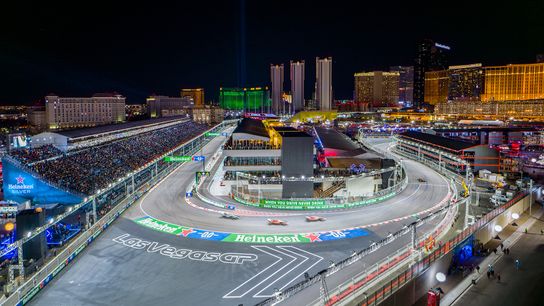
The event has also become a showcase for Formula 1's growing support categories. In 2025, Doriane Pin captured the F1 Academy championship during the Las Vegas weekend, adding another milestone to the race's developing history.
For race organizers, the extension provides stability and an opportunity to continue refining what has already become one of the sport's most ambitious events.
Emily Prazer, President and CEO of Las Vegas Grand Prix, Inc., called the agreement a defining moment for the race.
"Las Vegas is unlike anywhere else in the world, and its energy, hospitality and scale have played a major role in shaping what this race has become," Prazer said.
"This long-term extension allows us to continue delivering a world-class experience for our fans."
The timing of the announcement is significant.
Formula 1 enters the latter half of the decade enjoying unprecedented commercial strength. Team valuations continue to climb, race hosting fees remain among the highest in global sport, and manufacturers such as Audi, Cadillac, Ford, and Honda are either entering or expanding their involvement in the championship.
Against that backdrop, securing Las Vegas through 2037 removes one of the sport's largest uncertainties while reinforcing the United States as a central pillar of Formula 1's future strategy.
More importantly, it demonstrates how dramatically Formula 1's standing in America has changed.
For years, Formula 1 struggled to establish a lasting presence in the United States. Today, some of the sport's biggest races, largest sponsorship deals, and most valuable commercial opportunities are found on American soil.
Las Vegas has become the clearest symbol of that transformation.
What began as a bold vision to race Formula 1 cars down the Strip has evolved into one of the sport's defining events.
And now, Formula 1 and Las Vegas are preparing to spend at least another decade growing together.